i
This educational guide summarizes scientific clinical principles prepared by Prof. Dr. İbrahim Duran for patient awareness.
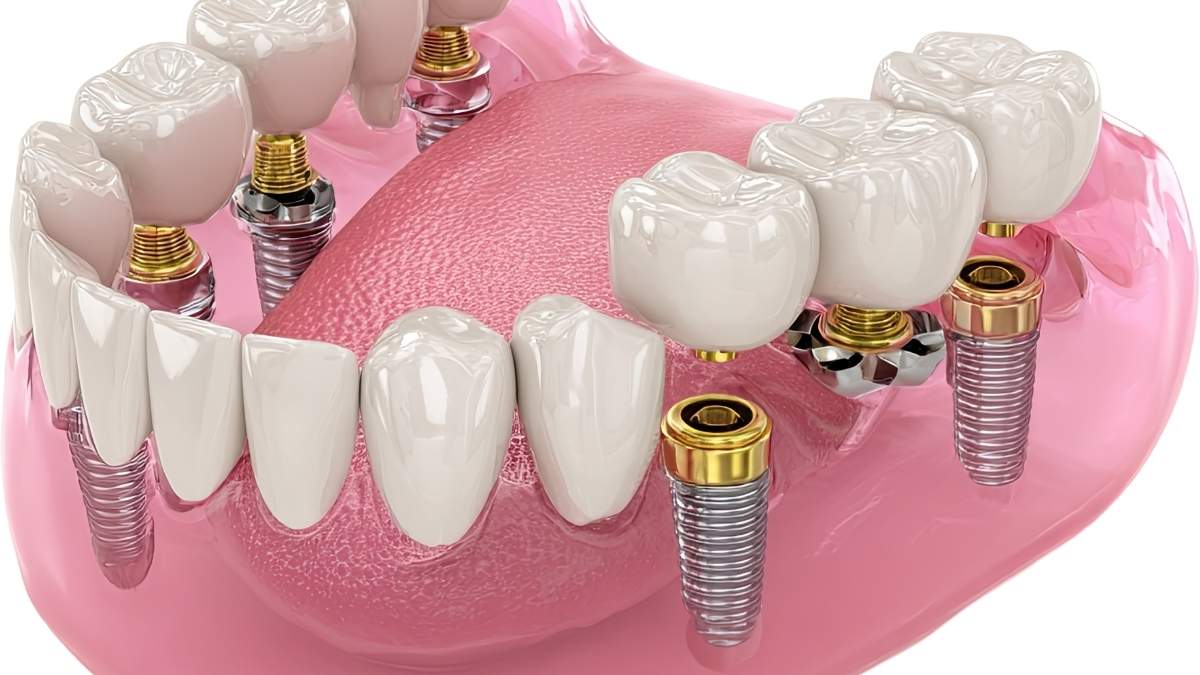
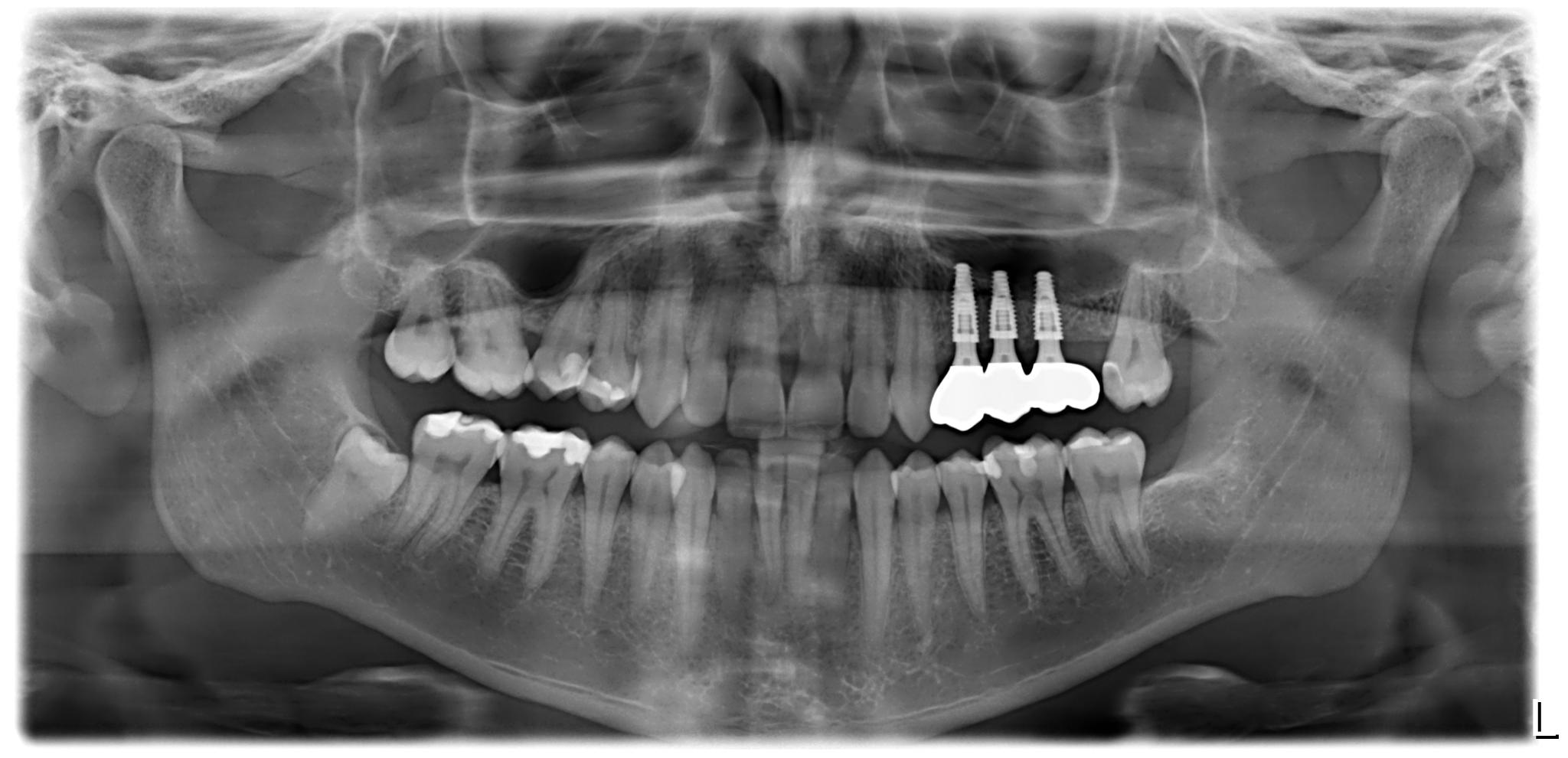
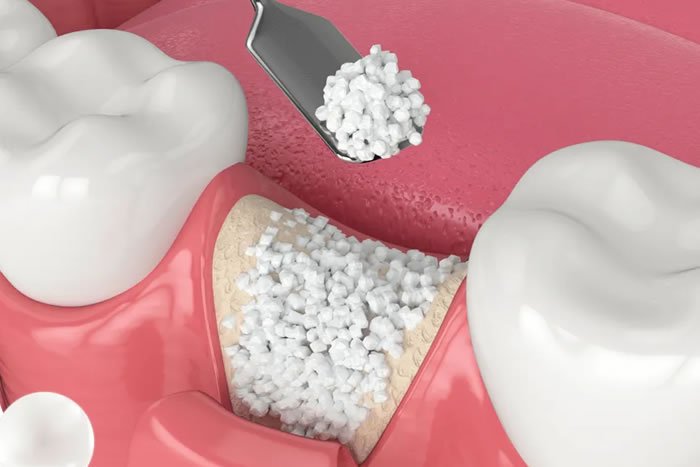
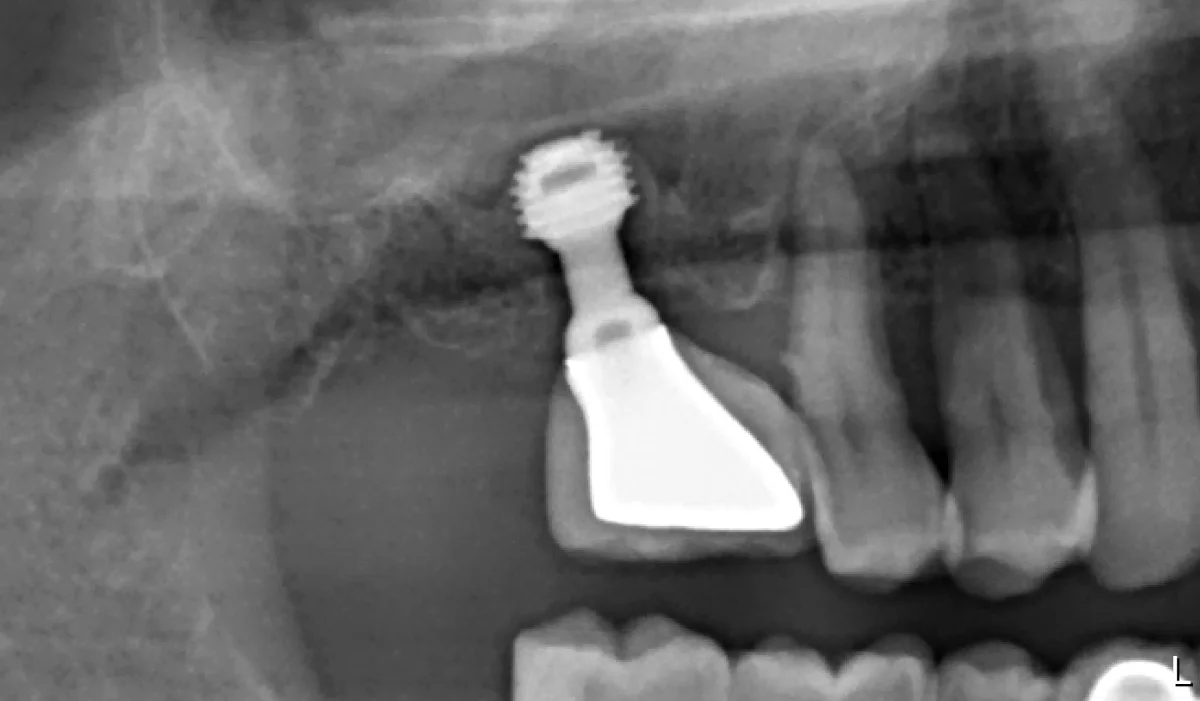
Short implants are dental implants that are generally shorter than 8.5 mm (down to 4-6 mm in some systems) and are used when the height of the jawbone is insufficient to place a standard implant (usually 10 mm and above). This method offers treatment, especially in patients with osteoporosis, without the need for additional surgical procedures such as adding bone powder (graft) or sinus removal.
✓
Does not require additional surgery
✓
Treatment time is short
✓
Less invasive
✓
No bone graft required
✓
fast recovery
✓
low cost
Examination and Tomography
Bone condition is evaluated and 3D tomography is performed.
Implant Placement
The short implant is placed in the jawbone.
Recovery Period
It takes 2-4 months for the implant to fuse to the bone.
Prosthetic Application
A prosthetic tooth is applied to the implant.
Inspection and Maintenance
Implant health is monitored with regular checks.
1. What is a short implant and when is it preferred?
▾
Short implants are implants that are shorter (6-8mm) than standard implants (10-16mm). In cases where bone height is insufficient, it can be performed without the need for additional surgical procedures such as sinus lifting or bone grafting. It is especially preferred in the lower jaw back area and upper jaw cheek area.
2. Who is short implant suitable for?
▾
It is suitable for patients whose bone height is below 8-10mm but whose bone quality is good. Careful evaluation should be made in patients with advanced osteoporosis and systemic disorders such as diabetes and osteoporosis. Detailed measurement with 3D tomography is essential for a definitive decision.
3. What are the advantages of the short implant?
▾
Does not require additional surgical procedures (sinus lifting, bone grafting)
Treatment time is shortened (average 2-3 months)
Surgical morbidity is reduced
Cost decreases
The healing process is more comfortable
It is less invasive
4. Are there any disadvantages of the short implant?
▾
In patients with poor bone quality, the success rate may be slightly lower than standard implants. In addition, the risk of long-term mechanical problems in the posterior regions where chewing forces are high is theoretically higher than standard implants. However, current implant surface technologies have minimized this risk.
Questions are answered by our clinical team and published for patient education after approval. No star ratings or testimonials.
↔