Precision suction denture designs improving upper and lower jaw prosthetic retention and comfort.
This educational guide summarizes scientific clinical principles prepared by Prof. Dr. İbrahim Duran for patient awareness.
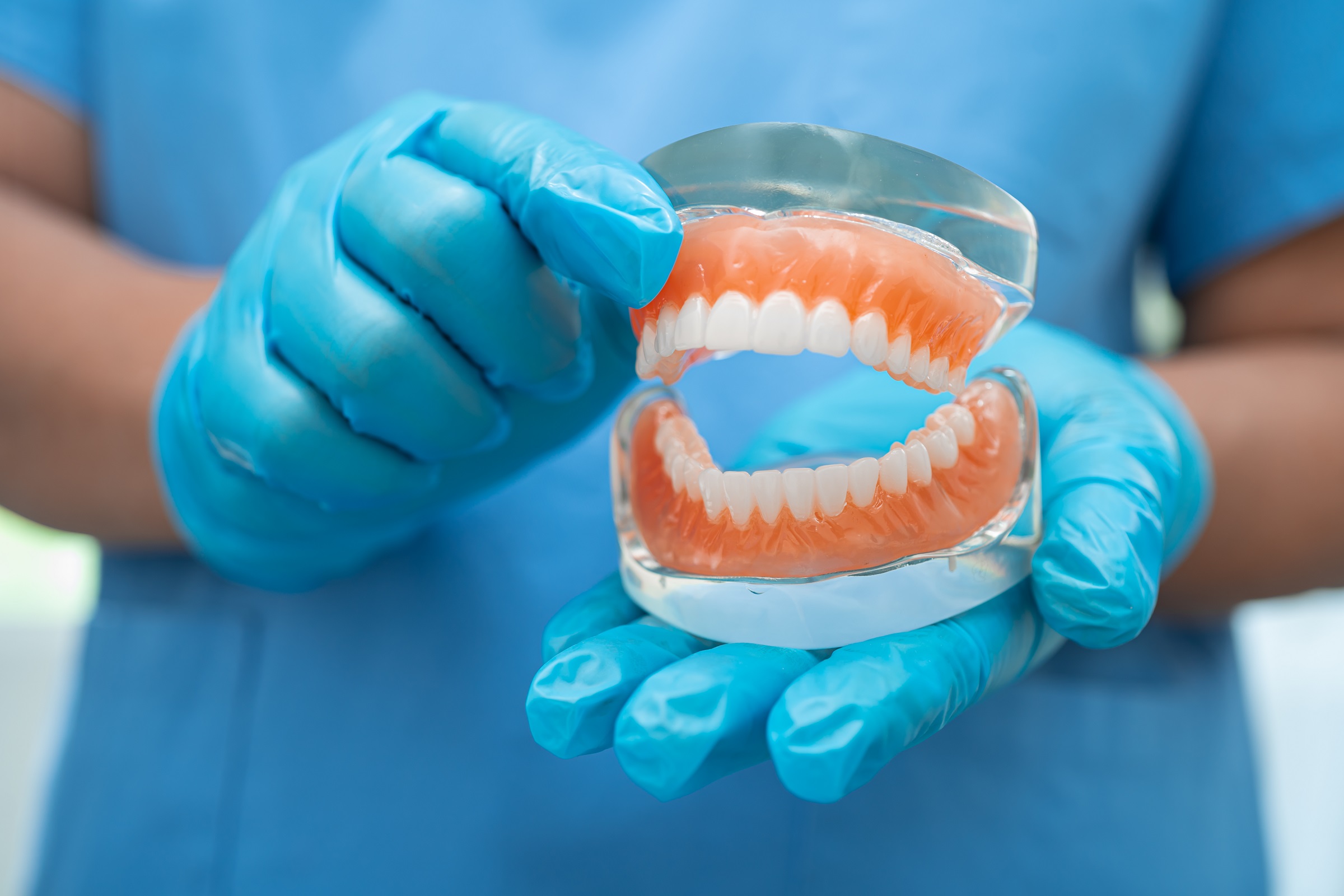
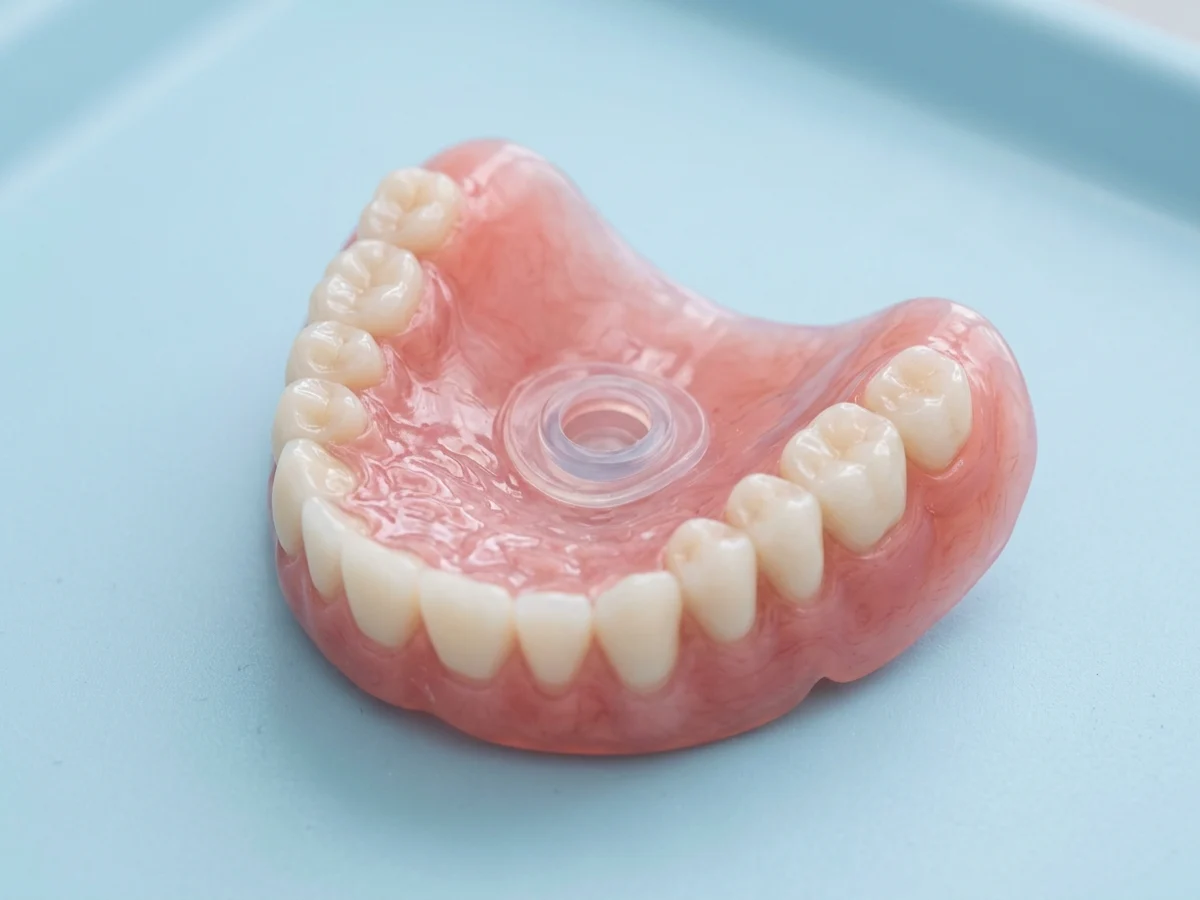
Vacuum prosthesis is a special type of prosthesis developed especially for patients who experience complete edentulism in the upper jaw and where classical full dentures have adhesion problems. These prostheses create a vacuum effect by creating an air gap between the palate surface and the prosthesis, so that the prosthesis does not move during chewing, speaking and laughing.
Classical full dentures sit on the jawbone and gums and usually try to hold on with adhesive creams. In vacuum prostheses, the surface of the prosthesis in contact with the palate is specially shaped and the prosthesis is vacuumed to the palate thanks to air evacuation channels. In this way, a much stronger adhesion is achieved without the need for adhesive.
Vacuum denture application is similar to the classical denture process. but it includes several special stages. First of all, your jaw structure and palate dimensions are evaluated in detail. The vacuum surface of the prosthesis is specially modeled by taking digital or classical measurements. During the trial phase, the prosthesis is placed in the mouth, vacuum areas are checked and necessary corrections are made. In the final stage, the prosthesis is delivered to the patient and usage training is given.
Vacuum prosthesis should be removed every day and cleaned with a special prosthesis brush and soap. Removing it at night is important for both resting the oral tissues and prolonging the life of the prosthesis. The compatibility of the prosthesis should be evaluated by a physician check every 6 months.