
Search Treatments
short implant
✦
These are dental implants that are generally shorter than 8.5 mm in length (down to 4-6 mm in some systems) and are used when the height of the jaw bone is insufficient to place a standard implant (usually 10 mm and above). In cases where there is insufficient bone, plateau design implants or short implants can usually be applied without the need for bone powder or grafts.
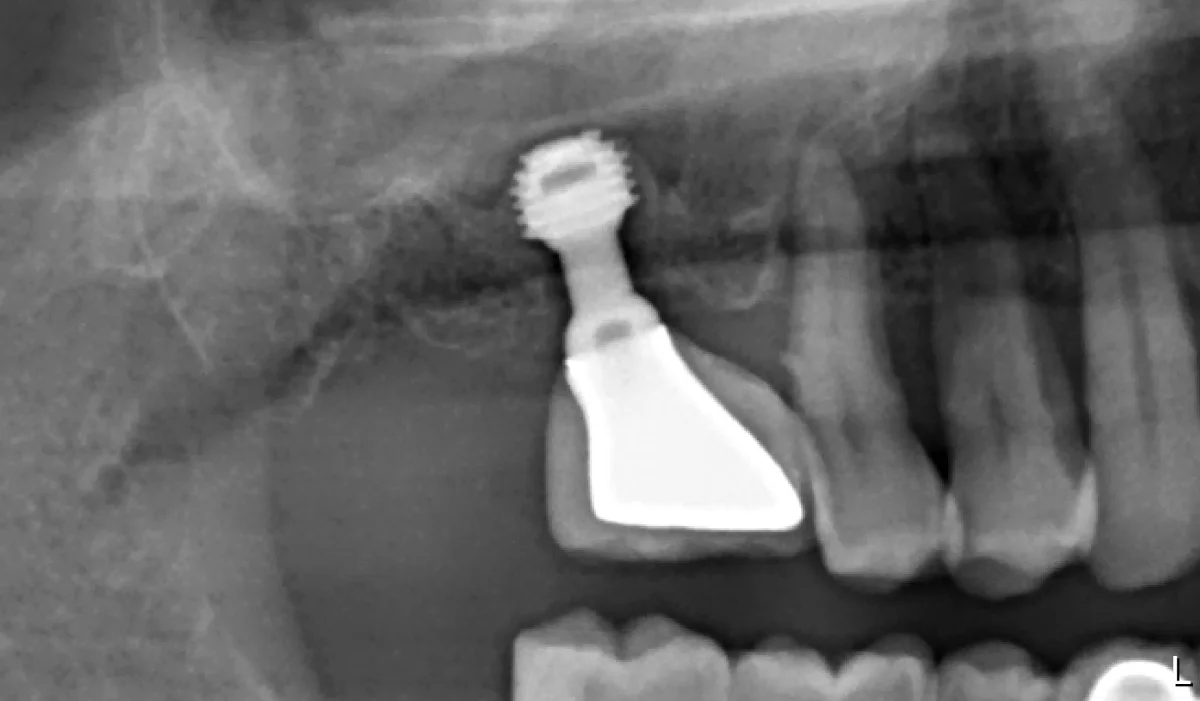
The results of each treatment may vary depending on the person, mouth structure and clinical conditions. For detailed information, it is recommended that you evaluate with your physician.
Treatment Details
short implant
Treatment Process
Step by step planning
Examination and Tomography
Bone condition is evaluated and 3D tomography is performed.
Implant Placement
The short implant is placed in the jawbone.
Recovery Period
It takes 2-4 months for the implant to fuse to the bone.
Prosthetic Application
A prosthetic tooth is applied to the implant.
Inspection and Maintenance
Implant health is monitored with regular checks.
Advantages
short implant
Frequently Asked Questions
Most curious things about this treatment
Short implants are implants that are shorter (6-8mm) than standard implants (10-16mm). In cases where bone height is insufficient, it can be performed without the need for additional surgical procedures such as sinus lifting or bone grafting. It is especially preferred in the lower jaw back area and upper jaw cheek area.
It is suitable for patients whose bone height is below 8-10mm but whose bone quality is good. Careful evaluation should be made in patients with advanced osteoporosis and systemic disorders such as diabetes and osteoporosis. Detailed measurement with 3D tomography is essential for a definitive decision.
Does not require additional surgical procedures (sinus lifting, bone grafting)
Treatment time is shortened (average 2-3 months)
Surgical morbidity is reduced
Cost decreases
The healing process is more comfortable
It is less invasive
In patients with poor bone quality, the success rate may be slightly lower than standard implants. In addition, the risk of long-term mechanical problems in the posterior regions where chewing forces are high is theoretically higher than standard implants. However, current implant surface technologies have minimized this risk.
Patient Questions
Ask us your questions
Treatments That May Interest You
Discover our other treatment options in the same category.
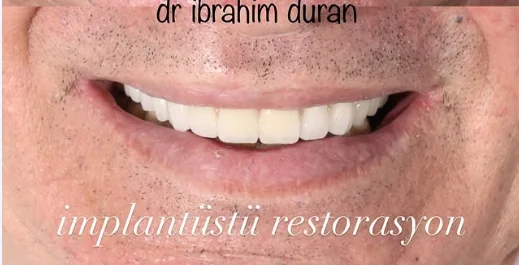
Dental Implant
Long-lasting and natural-looking treatment of missing teeth without damaging the surrounding tissues.

Implant Prosthesis
More stable and comfortable prostheses that adhere to implants.
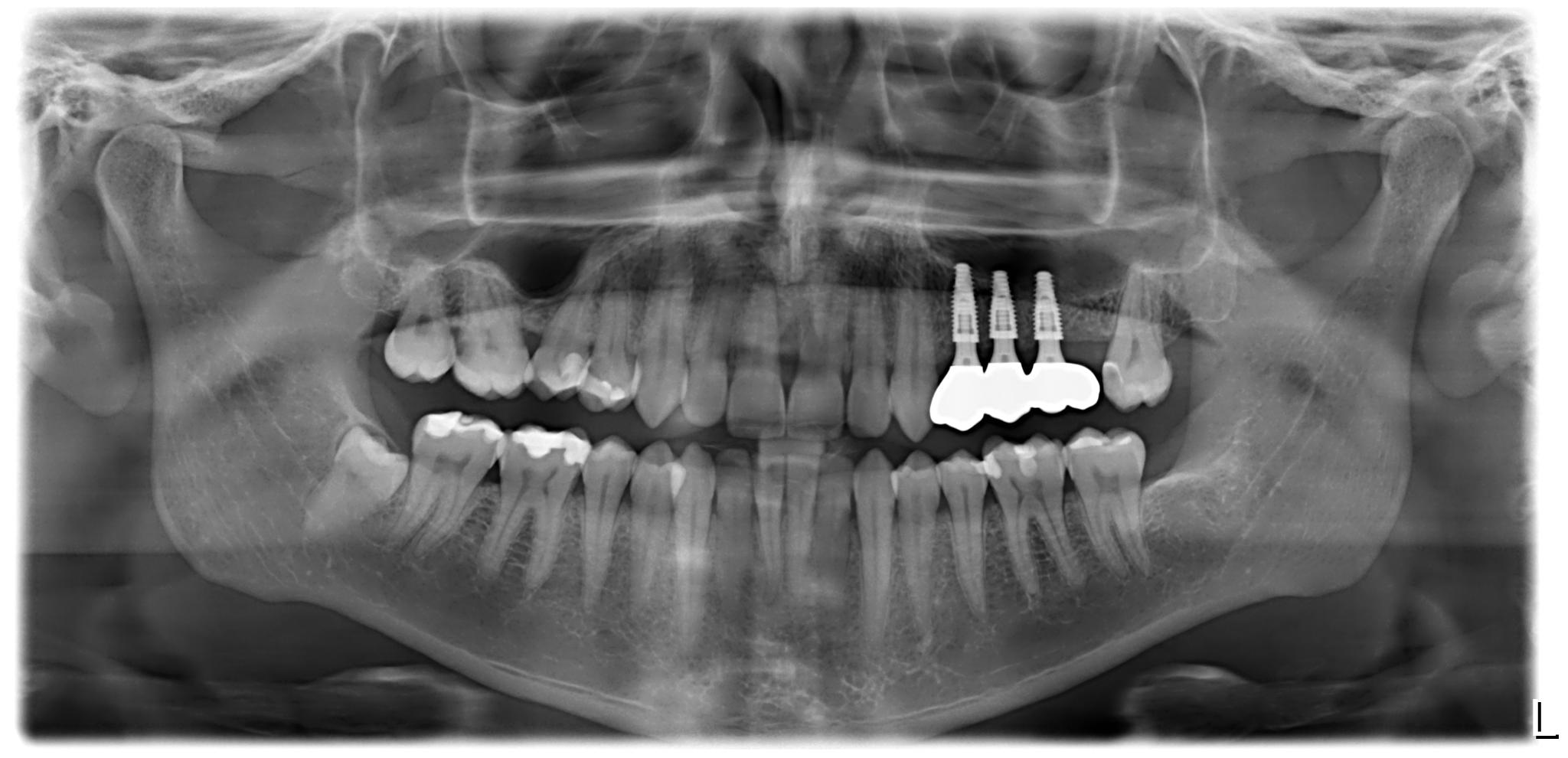
Seamless implant
It is a modern, minimally invasive method that is placed directly on the jawbone with the help of 3D imaging/guides, without making an incision or stitching in the gum.

Bone Graft, bone powder
Complementing the losses in the jaw bone before the implant with bone powder.
Kısa implant — Book an Appointment
First examination and digital analysis are free.