Overcoming the Fear of the Chair (Dental Phobia): Why Trust and Empathy Are Everything in the Clinic?
Fear of Chairs (Dental Phobia) Beating: Why Trust and Empathy Are Everything in the Clinic
One of the most frequently encountered and in fact most unspoken issues in dentistry practice is "dental phobia", that is, the fear of dentists. Even though many patients know about the problem with their teeth, they cannot step into the clinic for years due to intense anxiety. Many of the patients who come to me start by telling about a bad experience they had in the past or their fear of pain. I always tell them: "Your fear is completely normal, but you are not alone with this fear and it is treatable."
Why Does Dental Phobia (Fear of the Dentist) Occur?
Fear of the dentist usually arises from a traumatic experience in childhood, a feeling of loss of control, or a painful procedure in the past. Some patients get up off the couch simply because they are afraid of needles or feel a sense of suffocation. This fear is a physiological and psychological reaction. Blaming the patient or saying "Is it that scary?" will only make the process more difficult.
⚠️ Important: Dental phobia is a health problem that needs to be treated. Neglected teeth can lead to much more complex and long-lasting treatments in the future.
"Empathy and Trust" Protocol We Implement in the Clinic
In our clinic, we take a different approach to our patients experiencing dental phobia. We never rush the first examination. First of all, we listen to the patient and try to understand the source of his fear. Before starting the treatment, we explain the entire process step by step in an understandable language. We guarantee the patient that when he says "stop" everything will stop. This feeling of control significantly reduces anxiety.
1. Calming Psychological Approaches
- Active Listening: Listening to the patient's fear without judging is the first step to trust.
- Suggestion and Description: Eliminate uncertainty by showing the stages of the procedure to be performed (Tell-Show-Do technique).
- Breathing Exercises: Teaching breathing techniques that will relax the patient before the procedure.
- Distraction: Offering headphones in the clinic where patients can listen to their own music or diverting attention by chatting during the procedure.
2. Advanced Technology and Comfortable Treatment
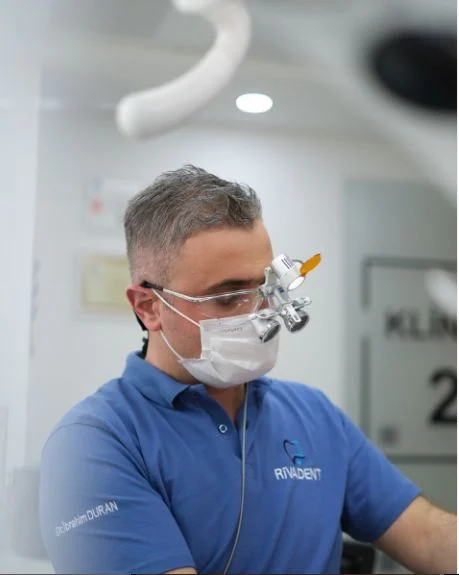
The biggest cause of fear is pain. Thanks to the conscious sedation and local anesthesia methods we use in modern dentistry, patients do not feel any pain during the procedure. In addition, thanks to the digital imaging systems and microscopes we use, the procedures are completed much faster and minimally invasively.
💡 Information: Conscious sedation is a completely comfortable treatment process in which the patient is in an arousable state of sleep, does not remember anything after the procedure. It is an excellent solution especially for patients experiencing intense anxiety.
How Do We Build the Perception of "Comfortable Dental Treatment"?
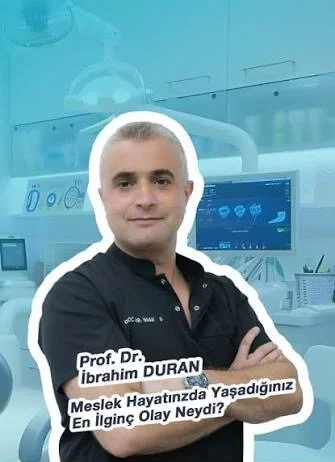
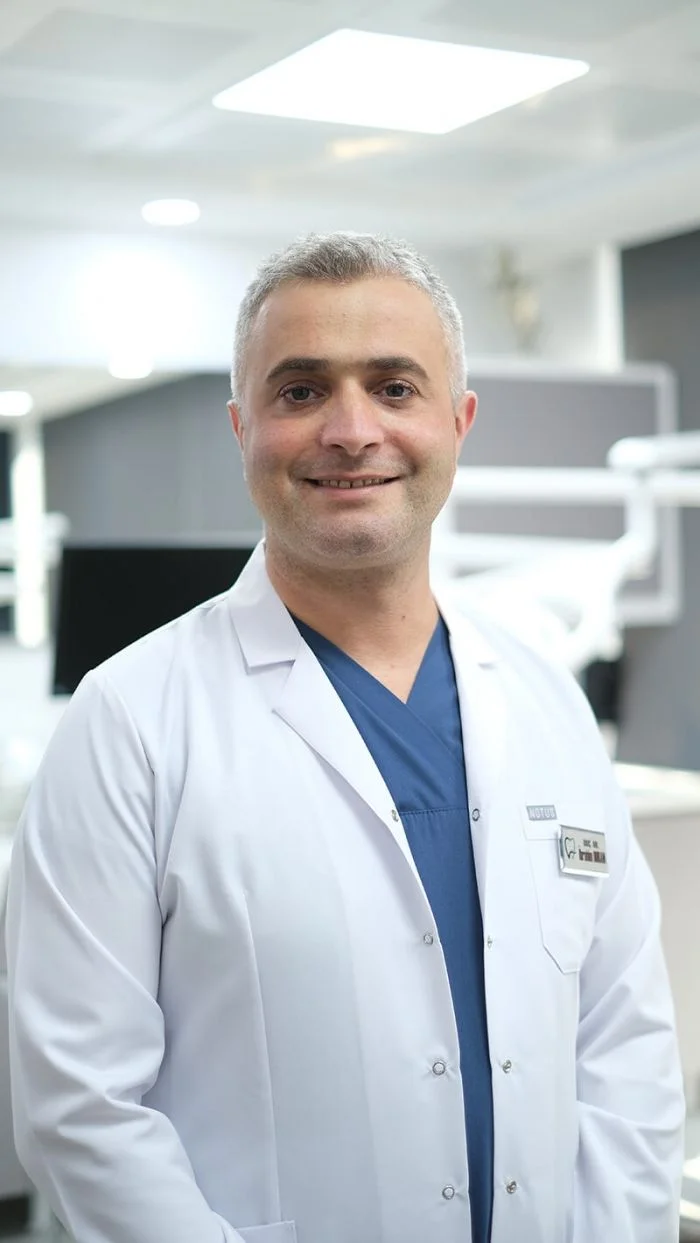
Comfortable dental treatment is not only about the medications used; This is a clinical culture. The physician's dexterity, the ability to read the patient's body language, the courage to slow down the procedure, and the principle of prioritizing the patient's comfort above all else build this perception. Prof. Dr. As İbrahim Duran clinic, our priority is for the patient to feel safe and comfortable from the moment he sits on the chair.
Remember, dental treatment is not an obligation, it is an investment in your health. The positive experience you have while making this investment directly affects the success of the treatment. Putting your fears aside and achieving a healthy smile in the safe hands of an expert team is much easier than you think.
📌 Conclusion
Dental phobia can be defeated with correct communication, empathy and the comfort offered by modern technology. At our clinic in Samsun Atakum, we understand your fears and offer you a special, completely comfortable treatment experience. Don't hesitate to take the first step towards your healthy smile.