Digital Smile Design: Get the Smile of Your Dreams

What is Digital Smile Design and Why is it Important?
Digital smile design (DSD) is a highly personalized treatment planning method that goes beyond traditional aesthetic approaches and analyzes the patient's facial anatomy, lip contours, gum alignment and personal expectations in a computer environment. This method allows the patient to see the final result before treatment; Thus, surprises are eliminated and trust and satisfaction increases.
Smile design is not only dentistry but also an art and engineering discipline. Proportions, symmetry, color harmony, light reflections and textures; An aesthetic integrity is created by supporting scientific data. Prof. Dr. In this process, İbrahim Duran uses both his academic knowledge and clinical experience to create a unique smile map for each patient.
Digital Smile Design Process Step by Step
Prof. Dr. At İbrahim Duran clinic, the digital smile design process is carried out with a patient-oriented and transparent approach. Here are the main stages of this process:
- Initial Consultation and Digital Data Collection: Photographs, videos and 3D facial scan records of the patient's current smile are taken. In addition, intraoral digital measurements and, if necessary, tomography images are obtained.
- Digital Analysis and Simulation: The collected data is processed with special design software. The physician designs the shape, size, color and alignment of the teeth in a virtual environment in accordance with the patient's facial features and lip dynamics.
- Patient Approval and Feedback: The designed smile is shown to the patient through 3D simulation or video animation. The patient is included in the process at every stage and revisions are made in line with his expectations.
- Mock-Up (Trial) Application: Adhering to the digital design, a temporarily testable model (mock-up) is prepared in the patient's mouth. In this way, the patient observes his new smile live in the mirror.
- Final Treatment Planning and Application: After approval is received, restorations (laminate, zirconium, emax, etc.) are produced in the laboratory environment and the patient is presented with specially prepared prostheses.
💡 Important Note: The aim of digital smile design is to obtain the most natural and aesthetic result by preserving healthy tooth tissue. Therefore, decay-free or healthy teeth are never cut or worn down.
Technologies Used in Digital Smile Design
Prof. Dr. At İbrahim Duran clinic, the most advanced digital technologies are used in the smile design process. Thanks to these technologies, both diagnosis and application stages are carried out with great precision:
- 3D Intraoral Scanners: A digital copy of the inside of the mouth with millimetric precision is created without the need for traditional impression materials.
- Face Scanning Systems: The patient's facial expressions and lip movements are transferred to the digital environment. This data is used to plan the perfect harmony of the smile with the face.
- DSD (Digital Smile Design) Software: Thanks to special programs that manage the design process, the physician can work directly on the patient's photographs and videos.
- CAD/CAM Systems: Digitally designed restorations are produced from high-durability ceramic blocks with computer-controlled milling machines.
- 3D Printers: Temporary restorations and model works are prepared quickly and accurately with 3D printing technology.
In Which Situations Is Digital Smile Design Applied?
Digital smile design is a preferred method in many cases where aesthetic concerns are at the forefront. The main application areas are as follows:
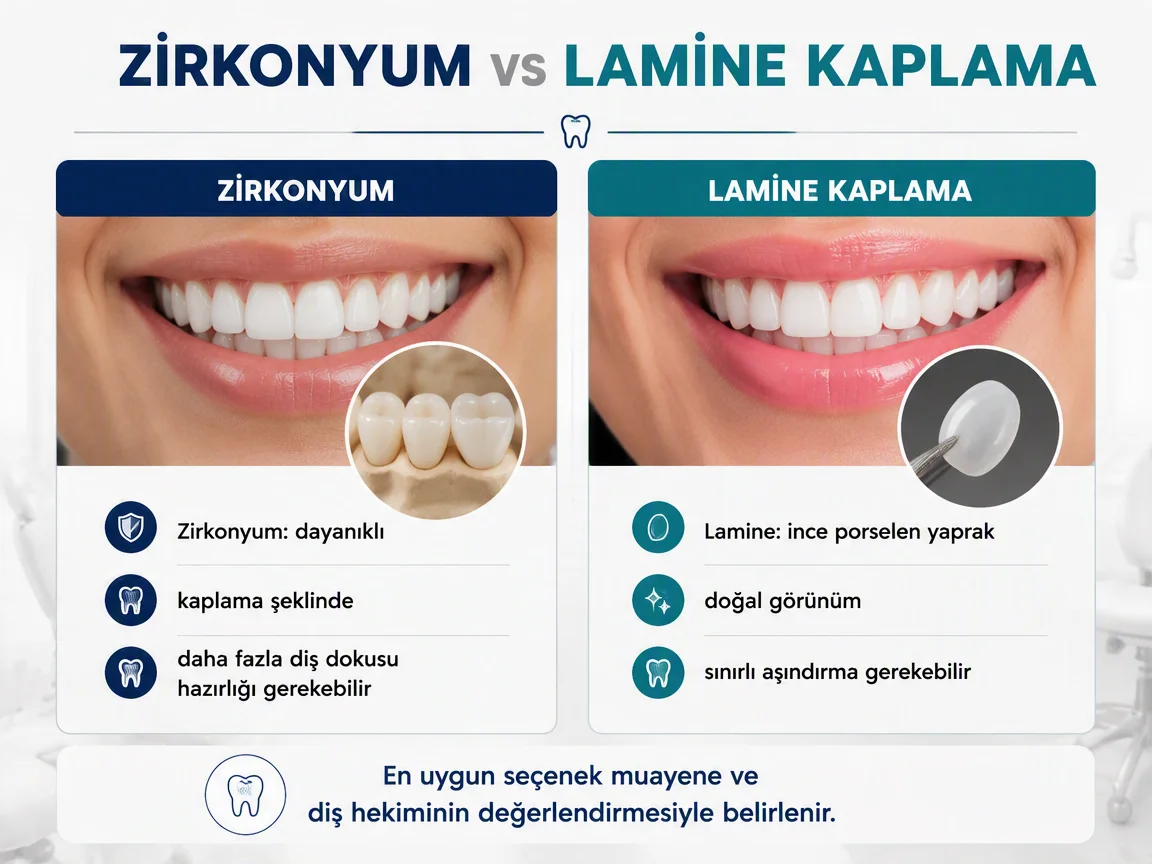
- Lamina (leaf porcelain) applications: Color, shape and alignment disorders are corrected with thin porcelain leaves applied to the front surface of the teeth.
- Zirconium or emax crowns: Natural-looking coatings for teeth that are broken, cracked or have excessive material loss.
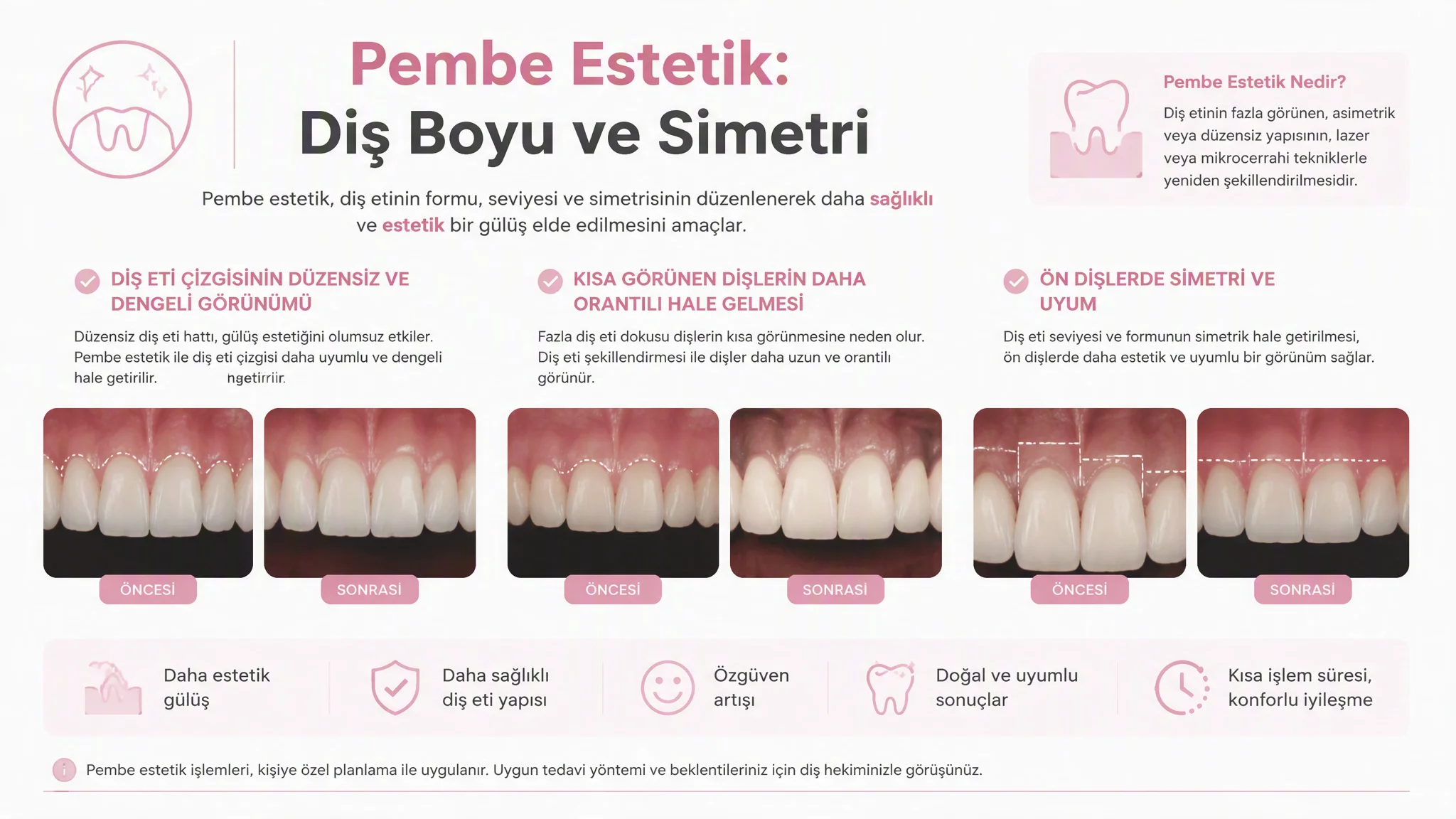
- Smile line corrections: Gummy smile, asymmetrical tooth alignment or closing disorders are eliminated.
- Aging-related changes: Teeth that wear out, darken or shift over time are given a young and dynamic appearance.
- Renewal of previous failed restorations: Old, discolored or incompatible veneers are revised with digital design.
Prof. Dr. Digital Smile Design Experience with İbrahim Duran
Prof. Dr. İbrahim Duran handles the digital smile design process with a scientific discipline, with his Prosthodontic expertise and academic background. Individual factors such as facial structure, skin color, lip thickness, age and gender of each patient are analyzed in detail. The aim is to obtain a natural and aesthetic result that best suits the patient's personality and expectations.
The digital smile design approach applied in the clinic aims to be perfect not only visually but also functionally. Long-lasting and healthy restorations are planned by taking into account functions such as chewing, speaking and teeth clenching at the design stage. In addition, explanatory and transparent communication is preferred at every step for the psychological comfort of patients during the treatment process.
Frequently Asked Questions
How long does digital smile design take?
The planning phase can be completed in 1-2 weeks on average, and the implementation phase in 2-4 sessions. The duration varies depending on the extent of the treatment and the type of restoration to be performed.
Is it a painful procedure?
No. Smile design preparation stages are performed under local anesthesia and patients do not feel pain during the procedure. There may be slight sensitivity afterwards, but it passes in a short time.
Is digital smile design permanent?
Yes. The materials used (zirconium, emax, porcelain) are long-lasting. However, it is recommended to pay attention to oral hygiene and make regular checks.
Are healthy teeth cut?
Prof. Dr. İbrahim Duran never cuts healthy and decay-free teeth. Smile design is done by preserving the existing dental tissue or with very minor preparations.
✨ Digital smile design is a method used in planning aesthetic applications. Prof. Dr. With İbrahim Duran and his expert team, you can take the first step towards a healthy and natural smile today.