Dental implant, missing teeth

📌 Prof. Dr. İbrahim Duran :
Dental implants, which have a history of approximately 50 years in the world, have now become one of the routine and usual clinical practices. With developing technology and new generation materials, implant applications have become much more comfortable. In dental implant applications, it is possible to complete the process with minimal pain during and after the procedure. The process is comfortable and comfortable with minor local anesthesia administered during the procedure. It is usually possible to return to our daily life on the same day. In my own clinic, I use techniques gained by current technological developments such as digital technology, non-surgical implant, guided surgery, immediate tooth loading after implant surgery, immediate implantology, immediate tooth on implant, that is, immediate temporary tooth loading after implant.
What is a Dental Implant and How Does It Work?
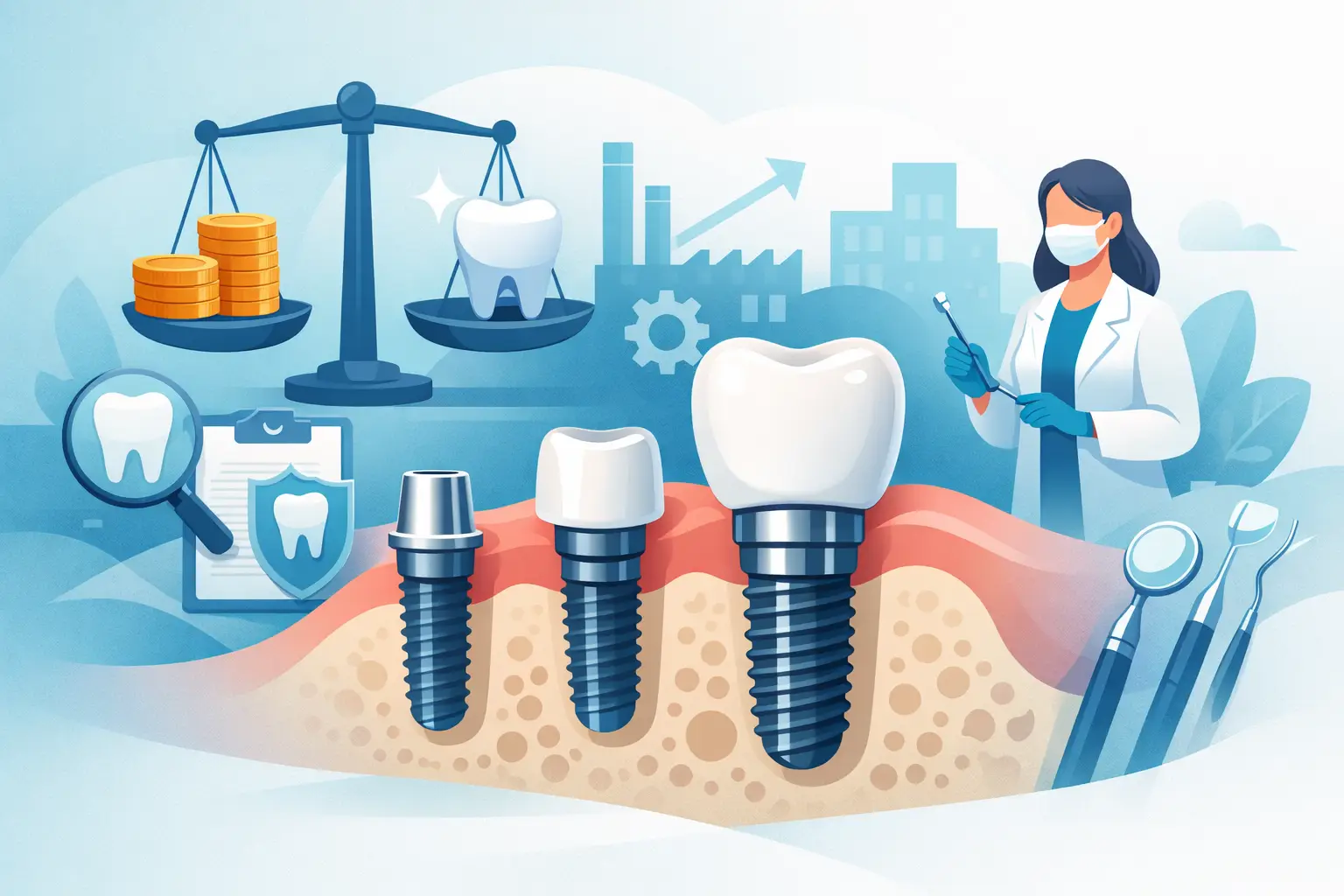
A dental implant is an artificial root made of titanium that is placed in the jawbone and acts as the root of the lost tooth. This titanium screw fuses with the jawbone (osseointegration) over time, creating a solid foundation that assumes the function of the natural tooth root. Then, a prosthesis (veneer) with the appearance and function of a natural tooth is placed on this foundation.
The biggest advantage of the implant is that it replaces the missing tooth without damaging the adjacent teeth. While healthy neighboring teeth must be eroded in alternative methods such as bridges, there is no such obligation in implants. This makes it a long-lasting and tooth-friendly treatment.
Who Can Get Implants?
Implant treatment can be applied to patients of all ages who are in good general health and have completed their jawbone development. However, in some cases, additional evaluations may be required:
- Those with Sufficient Bone Density: Sufficient bone volume is required for the implant to adhere. In case of bone deficiency, the area can be prepared with additional procedures such as bone grafting or sinus lifting.
- Those Who Have Chronic Diseases Under Control: Patients with systemic diseases such as diabetes, blood pressure, heart disease can have an implant as long as these diseases are under control.
- Those who do not smoke or can reduce their use: Smoking can negatively affect the healing process. Therefore, it is recommended to quit or reduce smoking before the implant.
- Those with Good Gum Health: Gum disease (periodontitis) may reduce implant success. Gum health must be improved before treatment.
💡 Remember: Every patient is special. The best decision is made after a detailed examination and evaluation with 3-dimensional tomography (DVT).
Stages of Implant Treatment
Modern implant treatment is planned by prioritizing patient comfort. The process generally consists of the following stages:
- Examination and Planning: The jaw bone structure is evaluated with intraoral examination, x-ray and 3D tomography. The position, size and angle of the implant are planned digitally.
- Surgical Stage (Implant Placement): Under local anesthesia, a small hole is made in the jawbone and the titanium implant is placed there. The procedure can be made more comfortable with seamless implant techniques.
- Healing and Bone Fusion (Osseointegration): Generally, 2-6 months are waited for the implant to fuse to the bone. A temporary prosthesis may be used during this process.
- Impression and Prosthesis Stage: After the boiling process is completed, a permanent prosthesis (covering) is made on the implant. Thanks to digital measurement systems, this stage is also very fast and precise.
- Checks and Maintenance: After the implant is placed, regular dentist checks are recommended. Implant care is no different from natural tooth care: regular brushing, flossing and check-ups.
Comfortable Implant Experience
Yes, comfortable implant is possible! Thanks to local anesthesia and sedation methods, patients can undergo the procedure without feeling any pain. You may experience slight swelling or tenderness after the procedure; However, these symptoms usually go away on their own within a few days. Most patients can return to their daily lives immediately after the implant procedure.
Immediate Tooth Loading After the Implant (Same Day Implant)
While in traditional implant treatment, you wait a few months after the implant is placed, "immediate implantology", that is, same day dental implant treatment. With the loadingtechnique, patients can have their temporary teeth on the same day the implant is placed. This method provides a great advantage, especially in frontal area aesthetics. Prof. Dr. This advanced technique is successfully applied in İbrahim Duran's clinic.
Advantages of Implants
- Natural Appearance and Feel: Implant-supported dentures are indistinguishable from natural teeth. It is aesthetic.
- Long-Lasting: With proper care, it can be used for a long time.
- Does not Damage Neighboring Teeth: Healthy teeth are not eroded.
- Prevents Bone Loss: Stops the resorption of the jaw bone.
- Comfortable Chewing and Speaking: It functions like a natural tooth.
Implant Care and Long-Lasting Use Tips
Regular oral care is very important to extend the life of implants. Brush your teeth at least twice a day, floss, and see your dentist at least twice a year. Avoiding smoking and excessive alcohol consumption is also beneficial for implant health.
📌 Important Note: Implant treatment is planned individually. To achieve a healthy and natural smile, you can get detailed information by making an appointment with a specialist physician.
Prof. Dr. İbrahim Duran and his team offer comfortable and successful solutions to their patients by using the latest technologies in dental implant treatment in Samsun. Make an appointment today to get the smile of your dreams!