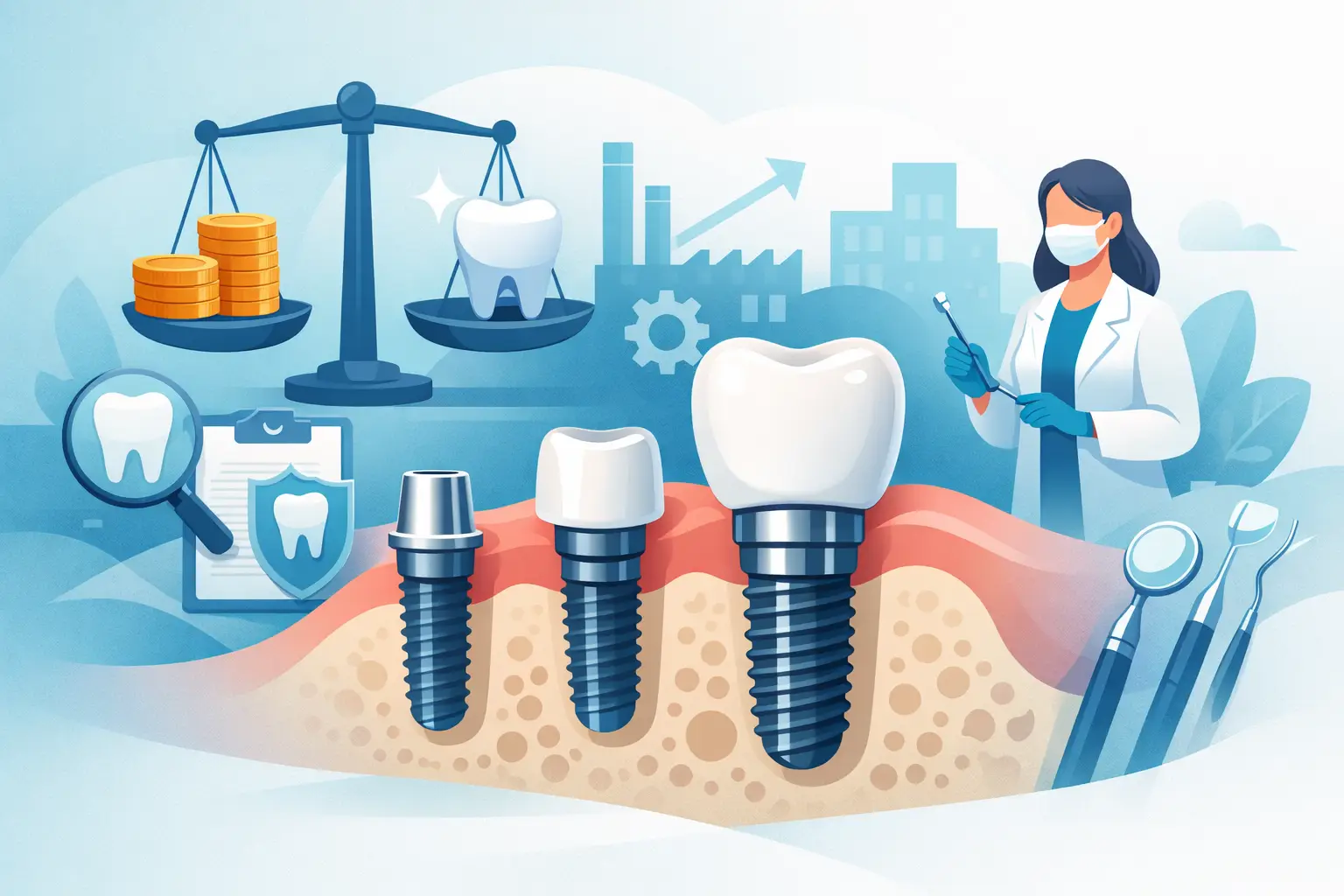
What is Bone Graft? What to do if there is insufficient bone for the implant?

Bone Graft What is it? What to do if there is insufficient bone for the implant?
The success of dental implant treatment largely depends on the quality and volume of the jaw bone where the implant will be placed. However, jaw bone resorption may occur due to tooth loss, periodontal diseases or long-term use of dentures. So, if the bone is insufficient, can't an implant be placed? No, today, implant treatment can be made possible by reconstructing bone tissue with advanced surgical techniques such as bone graft and sinus lifting.
Why Does the Jaw Bone Melt?
The jawbone maintains its vitality thanks to the transmission of chewing forces by the tooth roots. When a tooth is extracted or lost, the bone in that area begins to melt over time because it is not stimulated. This melting is fastest in the first 6 months. In addition, gum diseases, systemic diseases (diabetes, etc.), smoking and aging are also factors that accelerate bone loss.
What is Bone Graft and How is it Applied?
Bone grafts are natural or artificial bone materials placed in the jawbone to rebuild or strengthen missing bone tissue. These materials enable new bone formation by encouraging the body's own bone cells (osteoblasts) to come to the area. The types of grafts used are as follows:
- Autograft: It is bone tissue taken from the patient's own body (usually from the jaw or hip bone). It is the most compatible and most successful type of graft.
- Allograft (Allograft): It is sterilized human-derived bone tissue obtained from tissue banks.
- Xenograft (Xenograft): These are bone materials obtained from animals such as cattle or pigs, adapted to the human body.
- Alloplast (Synthetic): Biocompatible artificial bone produced in a laboratory environment. materials (calcium phosphate, hydroxyapatite, etc.).
💡 Information: Bone graft application is usually performed under local anesthesia and patients do not feel pain during the procedure. The healing process may take 3-6 months depending on the type of graft and the size of the area.
What is Sinus Lifting?
There are air spaces called "sinuses" in the upper jaw, just above the molars. When the upper jaw bone melts after tooth loss, the sinus cavity expands downwards and there is not enough bone left to place an implant. Sinus lifting operation is the process of carefully lifting the sinus membrane and placing a bone graft underneath. In this way, a solid base is created for implants in the upper jaw.
Prof. Dr. İbrahim Duran's Bone Graft Approach
Prof. Dr. İbrahim Duran keeps the patient's safety and comfort at the highest level in advanced surgical procedures such as bone grafting and sinus lifting. Thanks to the 3D tomography and digital planning systems used in the clinic, areas with bone deficiency are analyzed millimetrically and the most suitable graft material is selected. The professor's deep experience in the field of Oral and Maxillofacial Surgery increases the success of these delicate operations.
📌 Conclusion
Bone deficiency is no longer an obstacle to implant treatment. With modern surgical methods such as bone grafting and sinus lifting, the jaw bone can be restructured and permanent and durable implants can be made for patients. In our clinic in Samsun, we successfully apply these advanced techniques to give our patients healthy smiles.